

Rhodiola rosea
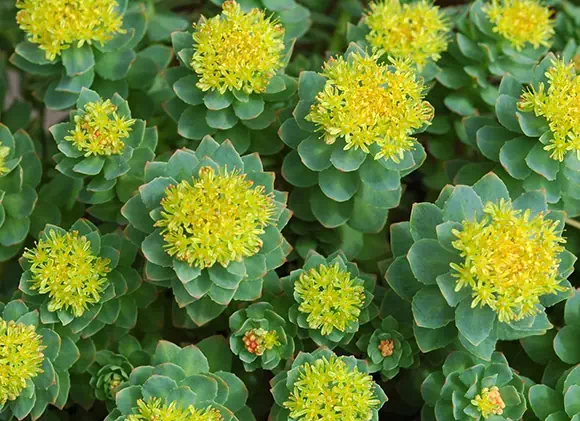
Rhodiola (Rhodiola rosea) is a small perennial plant belonging to the Crassulaceae family.
Widespread in central Siberia, rhodiola is a typical ingredient of traditional Russian medicine.
Rhodiola (Rhodiola rosea) has positive effects on physical and cognitive vitality.
In conditions of prolonged psycho-physical stress, rhodiola seems to reduce general fatigue and tiredness. In preliminary tests, rhodiola proved to be neuro-protective and involved in increasing longevity (the latter aspect was not subsequently confirmed on the mammalian organism).
Like ginseng, rhodiola is a very common herb.
Directions
When to use Rhodiola?
Rhodiola is a medicinal plant that invigorates the mind and body.
Both the flower and the root are used. The latter is especially suitable for the treatment of mental stress and generalized physical fatigue.
In particular, rhodiola is indicated as a food supplement for those who want:
Reduce the symptoms of fatigue and promote recovery from physical muscle exhaustion;
Counteract the mild depressive symptoms associated with weakness and fatigue
Promote cognitive activity;
Improve antioxidant defenses;
Reduce the feeling of hunger;
In men, increase sexual desire and alertness.
Optimize liver, muscle, heart and intellectual function.
Rhodiola is used in herbal medicine as an adaptogenic drug; like ginseng and eleutherococcus, it improves the resistance and defenses of those who take it, stimulating the body to react positively to situations of psychophysical stress.
The pharmacologically active compounds identified in rhodiola root are numerous (about 140) and include:
Species-specific phenolic glycosides
Organic acids (gallic, caffeic and chlorogenic)
Flavonoids
Catechins
Proanthocyanidins
Other tannins etc.
In Cell Integrity Age the Rhodiola rosea used is absolutely pure and of natural origin.